
Summary:- This blog explains how the best jiu-jitsu schools for kids in Port Saint Lucie help children learn skills that last a lifetime. It covers safe training, confidence building, focus, teamwork, and problem-solving through structured classes and fun exercises. Children also gain physical strength, coordination, and discipline while practicing under expert guidance. The lessons extend beyond the mat, teaching respect, patience, and decision-making. Training at Future School of Jiu-Jitsu ensures kids grow confident, mindful, and ready to face challenges safely in daily life.
Choosing the best jiu-jitsu schools for kids in Port Saint Lucie is more than just learning moves. Kids gain confidence, focus, and self-control while practicing safely. Classes are fun and structured, helping children learn teamwork, problem-solving, and patience. These lessons stay with them for life, helping in school, sports, and everyday activities. Jiu-jitsu teaches children how to stay calm, make smart choices, and use their bodies safely in different situations. Learning jiu-jitsu is not just about fighting or techniques; it’s about teaching children life skills that help them handle challenges, control their actions, and think ahead. Kids learn to face challenges safely, understand their strengths, and improve their coordination and thinking.
Learning Safety First
Good schools make safety the most important rule. Kids start with warm-ups and easy drills to learn balance and control.
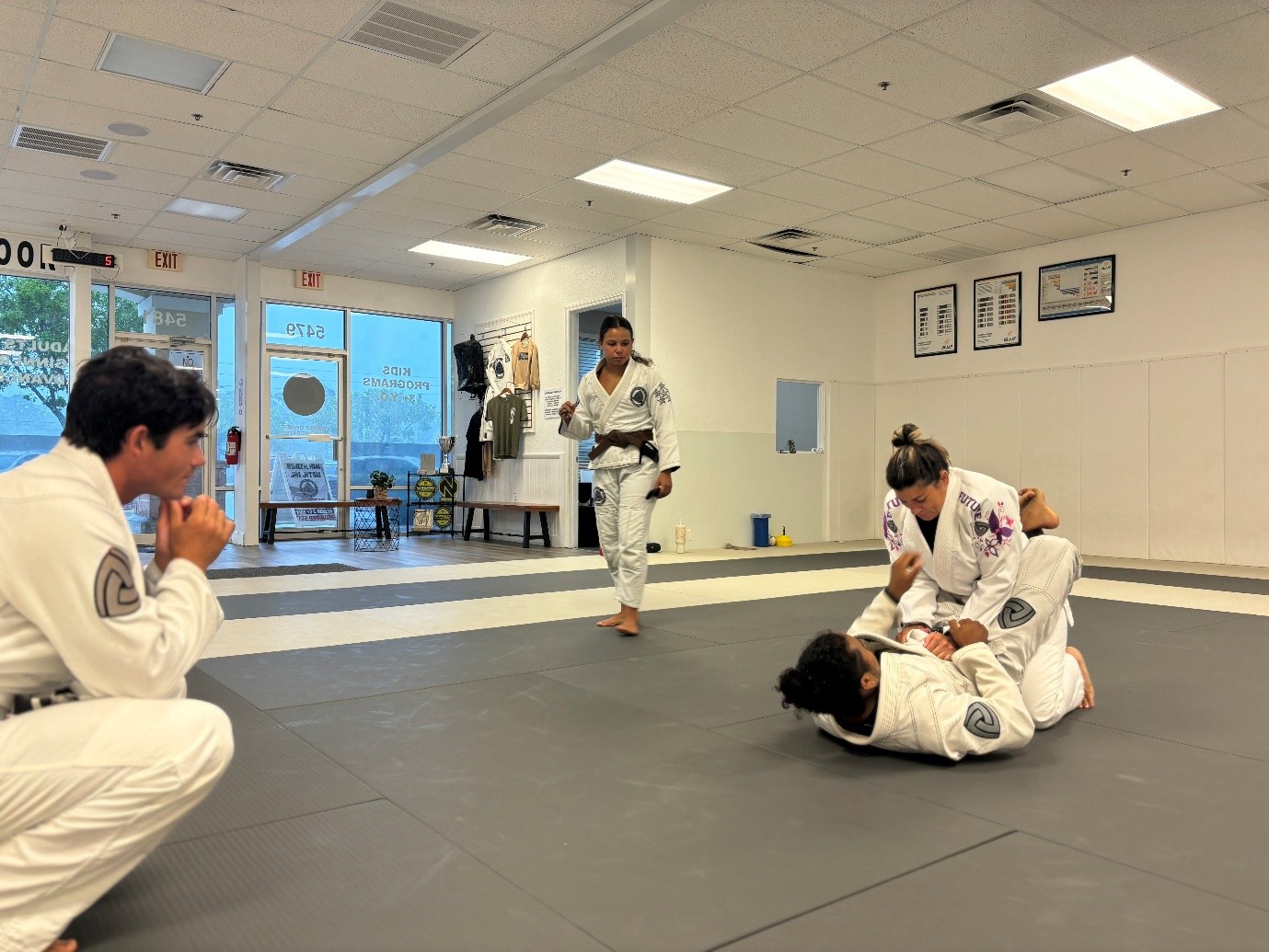
Instructors guide every step to make sure children do the moves correctly. Kids learn how to fall safely and protect themselves while still practicing real techniques. Learning safety first helps children feel confident and ready for every class.
Schools use mats, protective gear, and slow practice to prevent injuries. Instructors monitor every pair of students to make sure no one gets hurt. Children quickly learn to follow rules and use techniques safely, which also builds trust in the class and with their partners.
Building Focus and Attention
Jiu-jitsu asks children to pay attention. They must remember moves, watch their partner, and follow instructions.
This practice improves focus and memory. Kids who train often can concentrate better in school and finish tasks without getting distracted.
Activities in class include remembering sequences of moves, reacting to signals, and controlling their actions. These exercises improve attention, help children stay calm under pressure, and teach them to notice small details, which benefits learning in all areas of life.
Confidence From Practice
Children feel proud when they learn new moves and earn belt progress.
Small wins show them that practice leads to success. This confidence spreads to everyday life, helping kids try new activities and trust themselves.
When children face challenges in class, such as learning a tricky escape or winning a friendly spar, they feel capable. This confidence teaches them to try new things outside the class and not fear making mistakes. Celebrating small achievements builds self-esteem gradually.
Learning Respect and Teamwork
Training with partners teaches children to work together. They learn to take turns, follow rules, and be kind.
These lessons help kids make friends and be respectful. They also learn how to share and cooperate safely with others.
During partner exercises, kids learn to communicate, ask for help, and respond kindly. They also learn how to manage their emotions and avoid conflicts. Respecting instructors and peers becomes natural, helping children in school and social activities.
Thinking and Solving Problems
Drills sometimes copy real-life situations. Kids learn to make fast, safe choices when something happens.
This builds thinking and decision skills. Children learn that being careful and smart works better than rushing.
For example, if a child practices escaping from a gentle grab, they must decide quickly which move is safest. Repeating these drills teaches problem-solving and quick thinking. Children also learn how to adjust if something does not go as planned, which builds resilience.
Staying Strong and Active
Jiu-jitsu exercises make children strong, flexible, and balanced. Fun games and drills keep them moving while learning.
Being active helps kids grow healthy, sleep well, and focus better in school.
Kids improve coordination by learning to move their bodies in different ways. Exercises improve stamina and muscle strength. Even simple drills, such as rolling on the mat, climbing, or balancing, teach control and body awareness.
Learning Good Habits
Going to class regularly teaches children discipline. They learn that showing up and practicing leads to improvement.
These habits help kids in school, at home, and in other activities. Training in jiu-jitsu helps them be patient, follow steps, and keep trying until they succeed.
Parents often notice that children who train consistently follow routines better, finish homework on time, and handle responsibilities more carefully. Classes teach children that steady practice produces results, which is a lesson for life.
Skills That Last a Lifetime
Jiu-jitsu teaches kids more than moves. They learn self-control, patience, and how to stay calm.
Kids also learn to solve problems safely and keep trying even when it’s hard. These lessons help them in school, sports, and life as they grow.
Understanding limits, making safe choices, and controlling emotions are skills that children can carry into adulthood. They also learn to balance effort with patience, which benefits all areas of life.
Focus on Individual Growth
Every child learns at their own pace. Schools encourage individual progress while keeping children motivated and engaged.
Some children advance faster in certain moves, while others take time to master skills. Instructors adjust lessons for each child, helping them succeed without pressure. This builds confidence and a sense of achievement that lasts.
Final Recap:
At Future School of Jiu-Jitsu, our kids’ jiu-jitsu in Florida programs in Florida turn every class into a learning experience. Instructors guide children safely while teaching focus, confidence, and respect. Our classes are fun but structured, so kids enjoy learning while gaining skills they can use every day. Families choose our school because children leave class stronger, more confident, and ready to handle challenges safely.
Sign up today and give your child the tools to grow smart, safe, and confident with Future School of Jiu-Jitsu.
FAQs
1. What age is best for kids to start jiu-jitsu?
Children can start as young as four. Our classes are designed for their safety, growth, and fun.
2. How does jiu-jitsu improve focus in children?
Children follow sequences and instructions, strengthening attention and memory skills useful in school and activities.
3. Will my child get physically fit with jiu-jitsu?
Yes, classes improve strength, balance, coordination, and overall health through active, structured exercises.
4. How does jiu-jitsu teach respect and teamwork?
Partner drills and class rules teach kids to communicate, take turns, and cooperate safely with peers.
5. Why choose Future School of Jiu-Jitsu?
Our programs focus on safe training, confidence, discipline, and skills children carry into daily life.